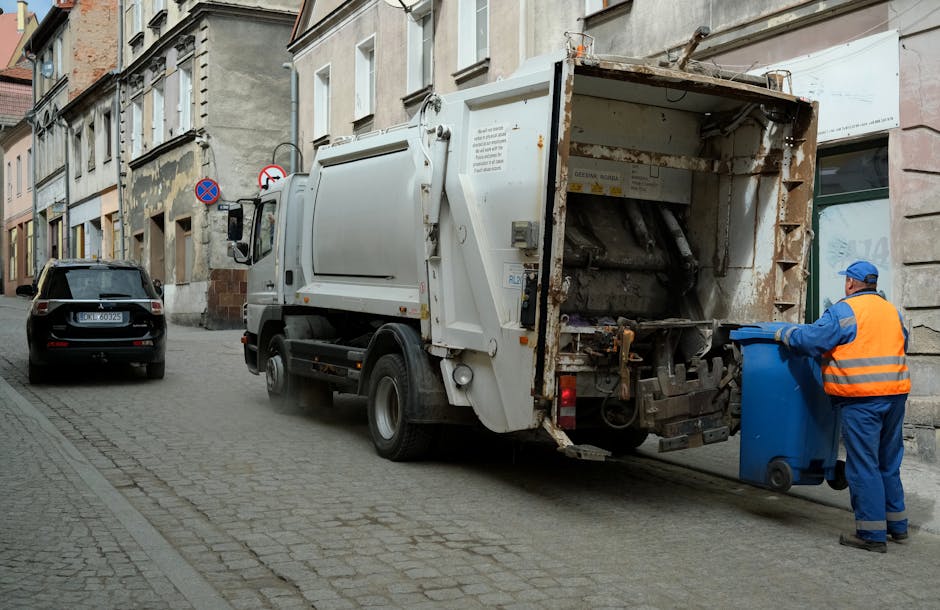
Addington Road garden waste and rubbish removal in Coney Hall
If your garden on or near Addington Road has got away from you a bit, you are not alone. One weekend of pruning, weeding, hedge cutting, or a long-overdue clear-out can leave you with more bags, branches, soil, and broken odds-and-ends than you ever expected. Addington Road garden waste and rubbish removal in Coney Hall is really about getting that mess moved quickly, safely, and responsibly so you can get your outdoor space back without the stress. And let's face it, nobody wants a driveway full of green bags sitting there for days.
This guide explains how the service works, what it is best for, what to watch out for, and how to choose the right approach for your garden waste, mixed rubbish, and heavier clearances. If you want the practical version rather than the sales pitch, you are in the right place.
Table of Contents
- Why it matters for Addington Road homes and gardens
- How the removal process works
- Key benefits and practical advantages
- Who this is for and when it makes sense
- Step-by-step guidance
- Expert tips for better results
- Common mistakes to avoid
- Tools, resources and recommendations
- Law, compliance, standards and best practice
- Options and comparison table
- Case study or real-world example
- Practical checklist
- Conclusion
- Frequently asked questions
Why Addington Road garden waste and rubbish removal in Coney Hall Matters
Garden waste looks harmless at first. A few cuttings here, a couple of old plant pots there, maybe a pile of soil after a border refresh. Then the pile grows. Wet leaves start to smell. Branches take up half the patio. A rusty barbecue, a cracked trellis, and a sagging bag of weeds suddenly join the party. That is usually the moment people realise garden clearance is not just about tidying; it is about restoring usable space.
For homes on Addington Road in Coney Hall, the issue is often a mix of convenience and presentation. You may have front and rear access that makes loading straightforward, or you may have a narrower side path where heavy bags and bulky waste are awkward. Either way, the right removal service saves a lot of carrying, sweeping, and back-and-forth. It also helps you avoid the common temptation to pile everything into household bins, which rarely works well for large amounts.
There is another reason it matters: not all garden waste is simple green waste. In real life, clearances often include broken fencing, old sleepers, bricks from edging, soil, turf, dead plants, bags of general rubbish, and the odd item that should not really be mixed in at all. Sorting that properly saves time and helps keep disposal responsible. If you want a broader service for mixed household items as well, general waste removal can be a useful fit, while a dedicated garden clearance service is often the cleaner choice for outdoor-only jobs.
Expert summary: the best garden rubbish removal is not just fast loading. It is tidy collection, sensible sorting, careful handling, and a result that leaves your outdoor space genuinely usable again.
How Addington Road garden waste and rubbish removal in Coney Hall Works
Most garden waste removal jobs follow a simple pattern, though the exact details depend on volume, access, and what you need taken away. The process normally starts with describing the waste clearly. Is it mostly green material? Is there soil or rubble? Are there bulky items such as broken garden furniture, a rotovator, or old fencing? The more precise you are, the more accurate the quote and the smoother the collection.
Once booked, the team typically arrives, assesses what is there, and loads the waste directly. That is one of the main advantages over doing it all yourself: no hiring a vehicle, no multiple trips, no trying to squeeze thorny branches into a small boot, which is about as pleasant as it sounds. Collection is usually quicker than many people expect, especially if the items are already grouped together in bags, piles, or accessible stacks.
For mixed clearances, the service may combine garden rubbish with household clutter or related items from a garage, loft, or home tidy-up. In those situations, it can be worth looking at home clearance or even house clearance if the job is broader than the garden alone. For heavy outdoor waste with timber, masonry, or demolition leftovers, builders waste clearance may be the better match.
In practice, the best experience is usually the one where you do a little prep first: separate obvious green waste from general rubbish, keep pathways open, and flag any awkward items in advance. That small bit of effort tends to pay off. Every time.
Key Benefits and Practical Advantages
The obvious benefit is that the waste disappears. But the real value is broader than that. A well-managed clearance can save time, reduce physical strain, improve safety, and make your outdoor space enjoyable again. If you have ever spent an afternoon lugging damp branches down a path while your hands get scratched to bits, you already know this is not trivial.
- Speed: collections can often be completed far faster than self-loading into a car or skip-by-skip sorting.
- Less mess: the garden is cleared in one go rather than left half-finished.
- Safer lifting: heavy bags of soil, timber, or wet hedge cuttings are handled properly.
- Better sorting: recyclable and non-recyclable materials can be separated where appropriate.
- More usable space: patios, lawns, sheds, and borders become usable again.
There is also a quiet practical benefit: a tidy garden tends to make the rest of the property feel calmer. You notice it in the first hour after the clutter goes. The light looks different, the path opens up, and suddenly the space feels like yours again rather than a staging area for the next big clean-up.
If you are comparing your options, it can help to read about the company's approach to recycling and sustainability so you know whether reusable or recyclable material will be separated thoughtfully. For price clarity, the page on pricing and quotes is useful too, especially if you want to understand what affects cost before you book.
Who This Is For and When It Makes Sense
This kind of service is useful for a lot more people than you might think. It is not just for major garden overhauls. In fact, the most common jobs are often the ordinary ones: post-winter clear-ups, hedge cuttings after a trim, a broken fence panel, or several bags of weeds after a long spell of neglect. Truth be told, it is often the practical middle ground between doing nothing and booking a skip.
It makes particular sense if you are:
- a homeowner doing seasonal garden maintenance
- a landlord preparing an outdoor area for new tenants
- a tenant who needs to leave a tidy outside space
- a family clearing a shed or patio after years of build-up
- a property owner with limited time or limited vehicle access
- someone dealing with mixed waste after a larger declutter
It can also be a strong choice if your garden waste is not quite "pure" green waste. For example, perhaps you have bags of cuttings plus an old parasol base, damaged plant troughs, and a pile of old timber. That kind of blend is common. The right removal service can deal with it without making you sort everything into three different piles first. Nice, honestly.
If the job is mainly about outdoor storage overflow, you might also consider garage clearance alongside the garden work. These jobs often go hand in hand, especially in older homes where everything ends up in the side return if you leave it long enough.
Step-by-Step Guidance
Here is the practical way to approach Addington Road garden waste and rubbish removal in Coney Hall without making it harder than it needs to be.
- Walk the space first. Look at everything that needs to go. Include small piles, bags, bulky items, and anything half-hidden behind sheds or borders.
- Separate the obvious waste types. Keep green waste, soil, timber, and general rubbish apart if you can. It makes loading easier and helps with sorting.
- Check for awkward materials. Stones, rubble, treated wood, old paint cans, appliances, and sharp metal may need special handling.
- Measure access. Make sure gates, paths, and parking arrangements are clear enough for collection. A narrow path can still be fine, but it helps to know in advance.
- Request a quote based on reality. Be honest about how much there is. The old "it's just a few bags" line has a habit of turning into a truckload.
- Prepare the waste for easy loading. Bag small cuttings, tie branches where sensible, and keep items together.
- Be present if needed. On collection day, a quick walkthrough can save time and avoid confusion.
- Ask about disposal and sorting. If you care about recycling or responsible disposal, ask how different materials are handled.
One useful habit is to think in zones: lawn, beds, hedge line, shed area, and hardstanding. It makes the job feel smaller and less overwhelming. You do not need to tackle everything in one heroic burst. A steady approach is usually better.
Expert Tips for Better Results
After many garden clearances, a few patterns become obvious. The jobs that run smoothly usually have one thing in common: they are prepared with a bit of care, not perfection.
- Do not overfill bags. Wet clippings and soil get heavy quickly. Overfilled bags split, and that slows everything down.
- Keep green waste dry if possible. A tarp or sheet over a pile can stop the weight from increasing after a rainy night.
- Watch for hidden items. Garden waste often conceals broken glass, screws, wire, or old fixings. Gloves help. Proper gloves, not the thin sort that tear if you look at them funny.
- Group bulky items separately. Fence panels, canes, sleepers, and broken furniture are easier to assess when they are not buried under bags.
- Tell the team about access issues. Low branches, steep steps, and uneven paving are worth mentioning early.
If you are clearing a bigger property, it can be smart to combine services rather than book multiple visits. For example, if the garden work is part of a larger reset, there may be value in adding loft clearance or garage clearance to the same day. That keeps disruption down and usually feels less chaotic.
And one small but honest tip: take a quick photo before you start moving things around. It helps if you need to compare progress, explain the volume, or simply remind yourself how much you have already done. Little win, but a real one.
Common Mistakes to Avoid
Most problems with rubbish removal are avoidable. The biggest issue is usually poor sorting or underestimating volume. People often assume the waste is light because it is "just garden stuff," then discover that soaked turf and soil weigh far more than expected.
- Mixing everything together blindly. Green waste, rubble, and general rubbish may need different handling.
- Leaving it until the last minute. Piles attract moisture, pests, and frustration.
- Not checking what needs special treatment. Items such as old appliances, chemicals, or sharp metal should not be dumped with ordinary garden waste.
- Forgetting about access. A clear path matters. So does parking. Small detail, big impact.
- Choosing the cheapest option without checking what is included. Cheap is fine. Vague is not.
Another common slip is assuming everything can go in one container without checking what is accepted. If you are considering a skip instead of a collection service, it is worth reading what can go in a skip before you commit. That one page can save a lot of annoying re-sorting later.
Finally, do not let the garden waste sit in a pile for too long after cutting. It becomes harder to move, especially in damp weather, and nobody enjoys wrestling a soggy hedge into shape at 8 a.m. on a grey Tuesday.
Tools, Resources and Recommendations
You do not need a lot of tools to get ready for a clearance, but the right basics help. A few strong bags, gloves, secateurs, a rake, a sheet or tarp, and a clear sorting area are often enough. For larger jobs, a wheelbarrow or garden trolley can save your back from unnecessary punishment.
For the service side, these pages can help you make better decisions before booking:
- garden clearance for outdoor waste that needs full removal
- waste removal for mixed or general rubbish
- pricing and quotes to understand how estimates are structured
- recycling and sustainability if responsible disposal matters to you
- book online if you want a straightforward next step
If the job includes bulky household items from the same weekend clear-out, you may also find furniture clearance or furniture disposal helpful. That happens more often than people expect, especially after a shed refresh or a new patio project.
For businesses or shared premises around the area, business waste removal may be the better route if the waste is connected to a commercial property rather than a domestic garden. Different needs, different fit.
Law, Compliance, Standards, or Best Practice
For garden waste and rubbish removal in the UK, the main thing is to use responsible disposal practices and avoid letting waste become a nuisance, a hazard, or an illegal dump. You do not need to become an expert in waste law to do the right thing, but a bit of awareness helps.
Good practice usually means the waste is collected, transported, and handled by a provider that understands sorting, transfer, and disposal obligations. Certain materials need extra care. This includes anything potentially hazardous, sharp, contaminated, or likely to cause harm if mixed with ordinary waste. If you have chemicals, paints, oils, or suspect materials, use hazardous waste disposal guidance rather than assuming it can be thrown in with garden clippings.
There is also a safety angle. Heavy loads, uneven ground, and manual handling are a real part of outdoor clearance. A professional approach should follow sensible lifting practices and safe loading methods. If you want reassurance on that side, the pages for health and safety policy and insurance and safety are worth reviewing.
Where sustainable disposal is concerned, recycling is often possible for at least part of the load, depending on composition and contamination. Green waste, timber, metals, and reusable items can sometimes be separated. That said, not everything is recyclable in practice, especially if it is wet, mixed, or badly contaminated. Best practice is to ask rather than assume.
Options, Methods, or Comparison Table
If you are weighing up the best way to remove garden waste and rubbish, the main choices are usually a man and van style collection, a skip, or doing repeated car runs yourself. Each has a place.
| Method | Best for | Pros | Watch-outs |
|---|---|---|---|
| Collection service | Mixed garden waste, bulky items, quick clearances | Fast, convenient, little lifting for you | Needs clear access and accurate description of waste |
| Skip hire | Longer projects with predictable waste volume | Handy if you want to load gradually | Permits, space, and restricted waste types may apply |
| Self-haul by car | Very small amounts only | Cheap if you already have transport | Time-consuming, messy, and usually impractical for heavy loads |
For many Addington Road households, collection is the most balanced option. It is especially useful when the waste includes a mix of branches, hedge trimmings, broken planters, old timber, and bagged rubbish. If you are still considering a skip, what can go in a skip is the best starting point for checking whether that approach suits your load.
Case Study or Real-World Example
Here is a realistic scenario. A homeowner on Addington Road spends a Saturday sorting out a neglected back garden. The job starts with enthusiasm, a pair of secateurs, and a cup of tea. By lunchtime there are hedge cuttings, a pile of ivy, cracked pots, two lengths of rotting timber, and a bag of mixed rubbish from an old shed shelf. By late afternoon the pile has spread across half the path.
Rather than trying to squeeze everything into a family car over several weekends, the owner books a same-day collection. The waste is grouped into obvious sections: green cuttings, timber, and general rubbish. The collection is straightforward because access has been kept clear. The team removes everything in one visit, and the patio is visible again before dinner. Not dramatic. Just very satisfying.
The real win in that kind of job is not only time saved. It is the shift from "unfinished mess" to "usable space." That change matters more than people think. Once the clutter goes, the garden feels like it can breathe again.
If the same property later needs a fuller clear-out, it would be sensible to combine the garden work with a wider home clearance or, if it is a larger move-out situation, a house clearance. One coordinated visit is usually easier than several piecemeal ones. Less faff, fewer interruptions.
Practical Checklist
Use this checklist before your collection day. It keeps the job simple and avoids the classic "oh, I forgot that bit" moment.
- Walk the garden and identify every item to be removed
- Separate green waste from general rubbish where possible
- Check for soil, rubble, sharp metal, or treated wood
- Keep pathways, gates, and parking areas clear
- Bag loose cuttings and smaller debris
- Stack bulky items together for easy loading
- Remove anything you want to keep from sheds, borders, or under tarps
- Flag awkward access points or steps in advance
- Ask about recycling, disposal, and any restricted items
- Confirm the booking details and arrival expectations
Quick takeaway: the more organised the waste is before collection, the smoother the visit will be. Simple as that.
Conclusion
Addington Road garden waste and rubbish removal in Coney Hall is one of those services that feels small on paper but makes a very real difference in daily life. A clear garden is easier to enjoy, easier to maintain, and much easier to be proud of. Whether you are dealing with hedge cuttings, a full seasonal clear-out, mixed outdoor rubbish, or a bigger tidy-up after a project, the key is to choose a practical method, prepare the waste properly, and avoid letting the pile turn into a bigger job than it needs to be.
If you want a straight, local, and no-nonsense approach, it helps to look at the wider service pages first and then decide what matches your waste best. A bit of planning now saves a lot of lifting later, and in the end that is what most people really want: the garden back, the mess gone, and a clear head when they look out the window.
Get a free quote today and see how much you can save.
Sometimes the best kind of home improvement is the quiet one you can feel more than see: a clean path, an open patio, and a garden that finally feels ready for the season.
Frequently Asked Questions
What counts as garden waste in Coney Hall?
Garden waste usually includes grass cuttings, hedge trimmings, branches, leaves, weeds, turf, small roots, and similar outdoor organic material. It can also include broken pots, old plant supports, and worn garden items if they are part of the same clearance.
Can garden rubbish be mixed with household waste?
Often yes, but it depends on the materials involved. A mixed load is common, especially if you are clearing a shed, patio, or side return. The key is to be honest about what is included so it can be handled correctly.
Is soil or rubble accepted with garden waste?
It may be accepted, but heavy materials like soil, rubble, and hardcore can change how the load is priced and managed. They are not treated the same as light green waste, so it is best to mention them before booking.
How do I prepare my garden waste for collection?
Bag smaller cuttings, group branches together, keep access paths clear, and separate obvious rubbish from green waste if you can. A tidy layout makes loading faster and usually reduces confusion on the day.
What if I have old fencing or broken garden furniture?
That is very common. Fence panels, timber, chairs, tables, and other outdoor items are often removed alongside garden waste. If the job is mostly timber or heavy material, builders-style clearance may be more suitable.
How much does garden waste and rubbish removal cost?
Costs vary with the volume, weight, type of waste, and access. A small bagged load is very different from a large mixed clearance with branches and soil. The best approach is to request a quote based on the actual items you need removed.
Can I book the service for the same day?
Same-day booking may be possible depending on availability. If the waste is ready, access is clear, and the job is straightforward, collection can often be arranged quickly. It is always worth asking early in the day if you need urgency.
Do I need to be home during collection?
Sometimes yes, sometimes no. It depends on the access and the agreement you make in advance. If the waste is in a straightforward location such as a driveway or front garden, the process may be simple enough with minimal involvement.
What happens to the waste after it is collected?
Collected waste is typically sorted for disposal and, where possible, recycling. Green waste, timber, metals, and reusable materials may be separated depending on condition and contamination. Responsible handling matters here.
Are there any items you cannot take with garden waste?
Yes. Hazardous materials, chemicals, oils, and certain contaminated items need special handling. If you are unsure about anything unusual, it is better to ask in advance than to guess and create a problem later.
Is this better than hiring a skip?
For many people, yes, especially if the waste is mixed or you want the job done quickly without loading everything yourself. A skip can suit longer projects, but collection is often easier for one-off garden clearances with awkward items.
Can you remove waste from a rear garden with narrow access?
Often yes, provided the access is safe and the route is manageable. Narrow paths, steps, or tight side entrances should be mentioned at the booking stage so the job can be planned properly.